How to Sell Podcast Show Notes as a Fixed-Scope Service
Build a small podcast show notes offer with a clear brief, a reusable delivery template, and a timed pilot before accepting recurring work.
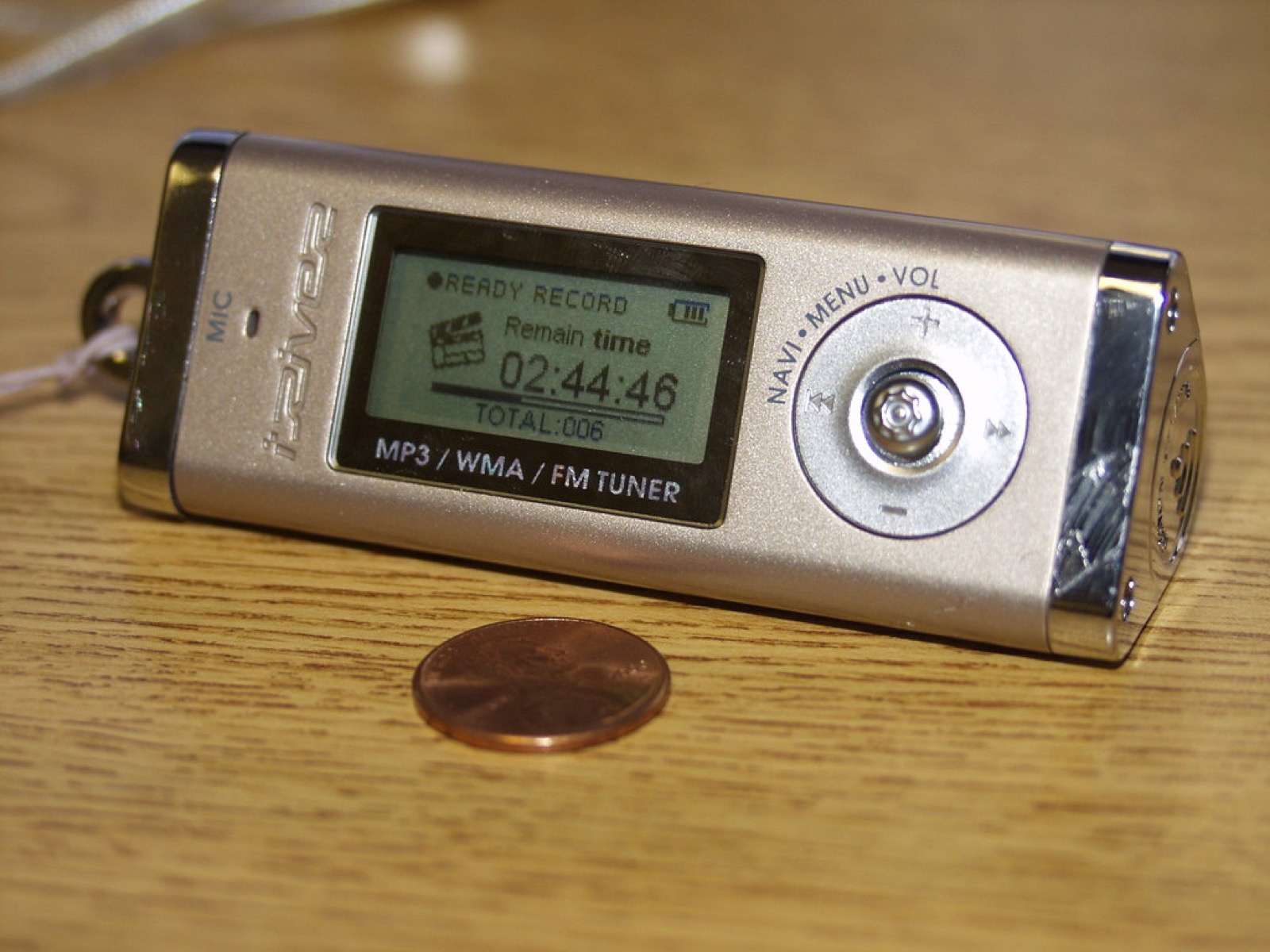
A podcast can be ready to publish while its episode page is still an empty box. Someone needs to identify the useful moments, check the guest's details, gather the links, and turn a long conversation into a readable description. That is a concrete service to test if you write clearly and listen carefully.
Start with one episode and a defined handover. A show notes service becomes difficult to price when writing quietly expands into transcription, audio editing, social posts, and uploading. Your first job is to make the boundaries visible before the client sends a recording.
Define one small deliverable
For a first pilot, propose an episode of up to 40 minutes with one host and one guest. Deliver a short description, four discussion highlights, up to six checked resource links, and a list of editorial questions. Include one consolidated revision round. These are suggested operating limits, not an industry standard.
Leave full transcripts, promotional clips, graphic design, and publishing access outside this package. If the client wants them, discuss a separate piece of work. The beginner's guide to selling a simple service covers the broader offer decision; this package gives that decision a measurable unit.
Ask the client to confirm which recording is final. A new edit can change the order of the conversation and invalidate notes you have already checked. State that a replacement recording may require a revised deadline and scope.
Use an intake brief that prevents guessing
Copy this into a document and ask for the answers before accepting the episode:
- Episode: working title, final audio file, and expected publication date.
- Audience: who listens, what they already know, and the main question this episode addresses.
- Names: approved spelling, guest role, and the guest's preferred website.
- Links: resources mentioned and the destination for the closing call to action.
- Style: one previous episode page to follow and phrases the show avoids.
- Approval: one person who combines feedback and signs off the final copy.
A missing link is a question for the client, not an invitation to choose a similar product. Keep uncertain spellings and claims in the editorial questions section. Separate questions from the publishable text so they cannot be pasted into an episode page accidentally.
Listen with a compact evidence log
During the first pass, record the time, topic, and any detail that needs verification. For example: 08:20, guest explains an onboarding mistake; 19:10, a book is mentioned but the title is unclear. The times are working notes that help you find the passage again.
Draft after listening to the whole episode. An early comment may be qualified later. Replay every passage that supports a named statistic, direct quotation, or strong claim. If the guest says something uncertain, preserve that uncertainty instead of upgrading it into an authoritative promise.
An automated transcript can help you locate a passage, but it does not replace checking the recording. Ask the client before using an outside transcription service for unpublished material. If the audio is too unclear to verify a detail, flag it rather than inventing a polished version.
Deliver a template the client can reuse
Keep the handover in this order:
- Description: two or three sentences identifying the central question and the guest's contribution.
- In this conversation: four specific discussion highlights, with no claims absent from the recording.
- Mentioned resources: descriptive link text followed by the checked destination.
- Next step: the client's approved action, such as visiting a resource page.
- Editorial questions: unresolved items and the passages the client should review.
Spotify's official show notes formatting guidance supports basic formatting and links, while warning that presentation can differ across listening platforms. Deliver simple text with a short bulleted list, and ask the client to preview it in their publishing system. Do not promise that one layout will appear identically everywhere.
Time a pilot before setting a recurring price
Here is a hypothetical workload: 40 minutes listening, 15 minutes checking passages and links, 25 minutes writing, 10 minutes quality checking, and 15 minutes for handover and revision. That totals 105 minutes, or 1.75 hours.
If the illustrative fee is £60, dividing it by 1.75 gives about £34.29 per delivery hour before expenses, tax, and unpaid business work. Add 30 minutes for finding and briefing the client, and the same fee covers 2.25 hours, or about £26.67 per hour. These figures explain the arithmetic; they are not market rates or an earnings forecast.
Track actual time by stage. If verification regularly takes longer than listening, the offer may need clearer source requirements. If feedback repeatedly changes the angle, improve the intake brief before trying to write faster.
Make the pilot easy to evaluate
Create a short sample from your own recording or material you have permission to use. Label it as a sample, and show the description, highlights, and resource list together. Avoid producing an entire unpaid backlog to prove you can do the work.
After the paid pilot, ask which sections the client used, what they changed, and whether the deadline fit their release schedule. Keep a simple backup routine for approved drafts and source files. Offer recurring work only when the client wants another episode and your recorded workload fits the time you can reliably reserve.